

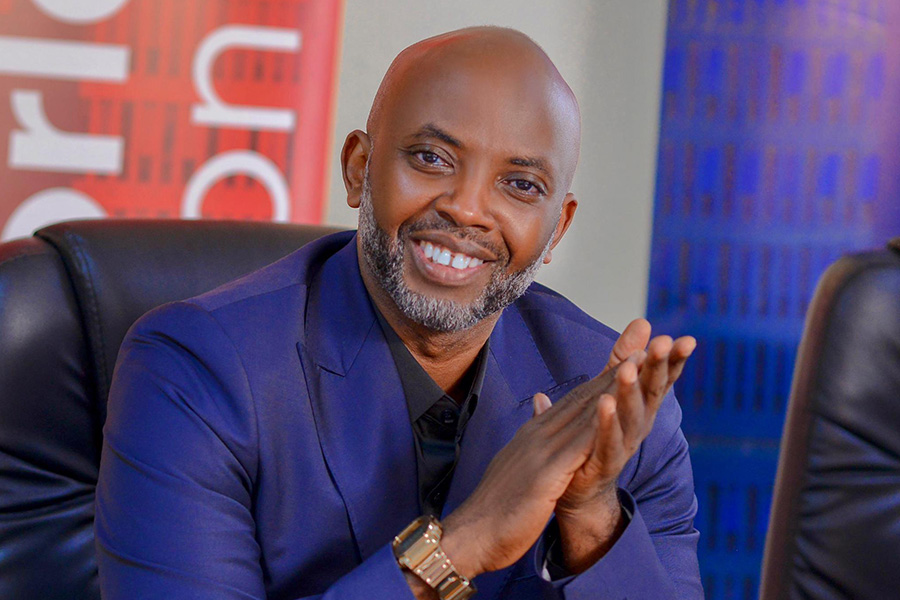
A bitter public row has emerged following the rejection of Lawrence Muganga as Minister of State for Internal Affairs, pitting the prominent academic against members of Parliament over allegations of discrimination, citizenship status and transparency in the ministerial vetting process.
The controversy erupted after Muganga accused Parliament's Appointments Committee of unfairly targeting him and predetermining the outcome of his vetting.
In a strongly worded statement, Muganga alleged that the committee's chairperson, Thomas Tayebwa, had already decided that he would not be approved before the session began.
He claimed to possess audio evidence that would demonstrate the process was compromised and vowed to release it publicly.
According to Muganga, the issues raised during his vetting were not genuinely about qualifications, integrity or citizenship, but were instead motivated by prejudice against his identity as a Munyarwanda.
“What I experienced in that committee was not parliamentary oversight. It was hatred. It was discrimination. It was racism, directed at me simply because I am a Munyarwanda,” Muganga said.
He defended the status of the Banyarwanda as a constitutionally recognized indigenous community in Uganda, arguing that members of the community have contributed significantly to the country's development and public service.
“We Banyarwanda are Ugandans. We were born here. We pay taxes here. We build institutions here. We have given our lives to serve this nation,” he said.
Muganga further challenged members of the public to seek accounts from other legislators who attended the vetting session, including opposition members of the committee, whom he suggested could corroborate his claims.
However, the allegations were swiftly rejected by David Kabanda, who dismissed claims of ethnic discrimination and insisted that the committee's concerns were based on citizenship disclosures rather than tribal identity.
Kabanda argued that Parliament has previously approved several public officials of Banyarwanda heritage, citing examples such as Aisha Ssekindi and Dianah Mutasingwa.
“Mr. Muganga Lawrence was not rejected by the committee for being a Munyarwanda, a narrative I see some people so deceptively selling,” Kabanda said.
According to Kabanda, the committee's concerns stemmed from what he described as inconsistencies regarding Muganga's citizenship status.
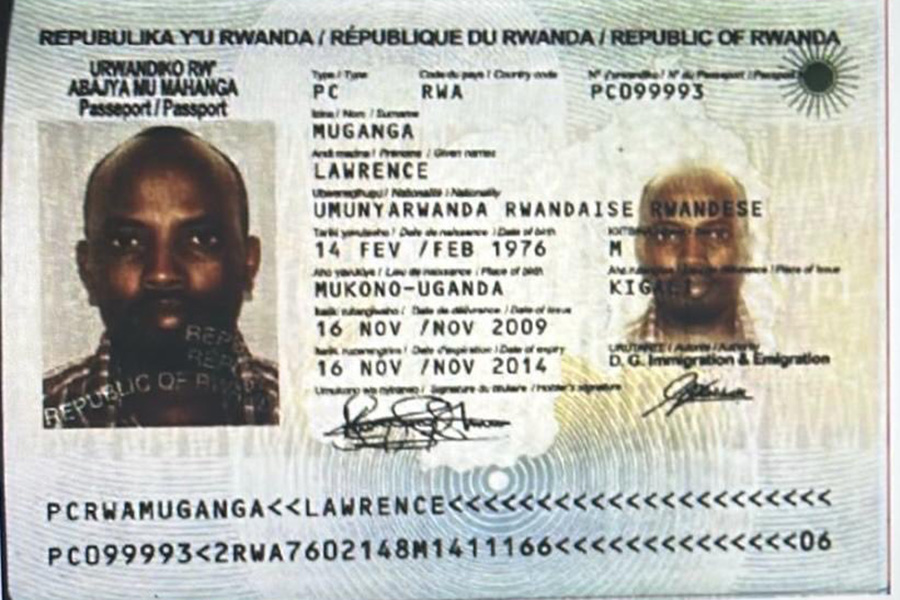
He alleged that investigations conducted during the vetting process established that the nominee held Ugandan, Canadian and Rwandan passports despite denying possession of a Rwandan passport before the committee.
“Muganga was not approved after he denied holding a Rwandan passport, but the committee investigations confirmed he holds three passports: Ugandan, Canadian and Rwandan,” Kabanda alleged.
The claims have not been independently verified, and no official report from the Appointments Committee detailing its findings has been publicly released.
The dispute has renewed debate about citizenship requirements for individuals seeking appointment to sensitive government positions, particularly within the Internal Affairs ministry, which oversees immigration, citizenship and national security-related functions.
Ugandan law permits dual citizenship under specific conditions. However, questions have arisen over whether the possession of multiple foreign citizenships beyond dual nationality is compatible with legal requirements for public office and whether full disclosure was made during the vetting process.
As the standoff intensifies, attention is now focused on Muganga's promised release of the alleged audio recording and whether Parliament or Tayebwa will formally respond to the accusations.
At the time of publication, Tayebwa had not publicly addressed Muganga's allegations, while the circumstances surrounding the committee's decision continue to attract significant political and public interest.
